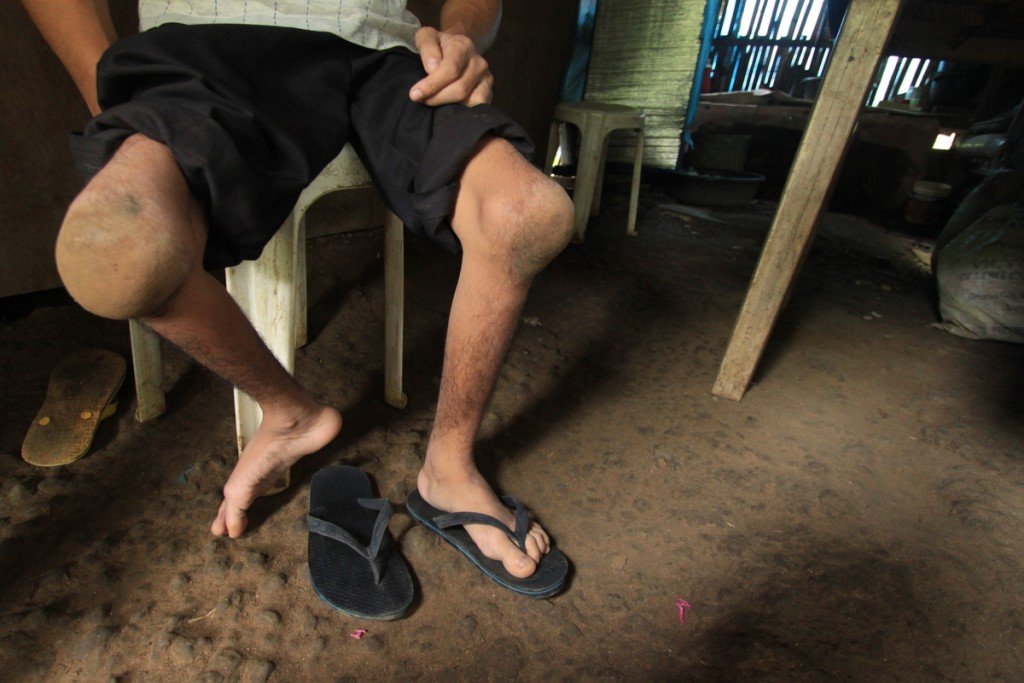
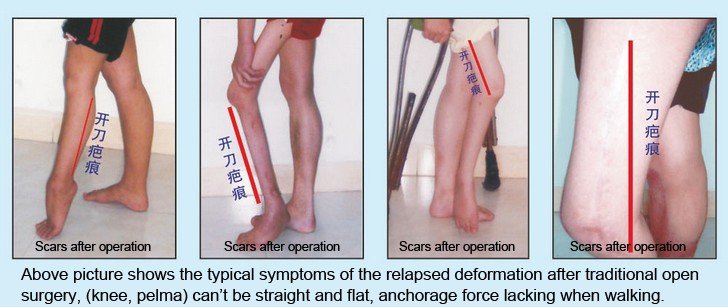
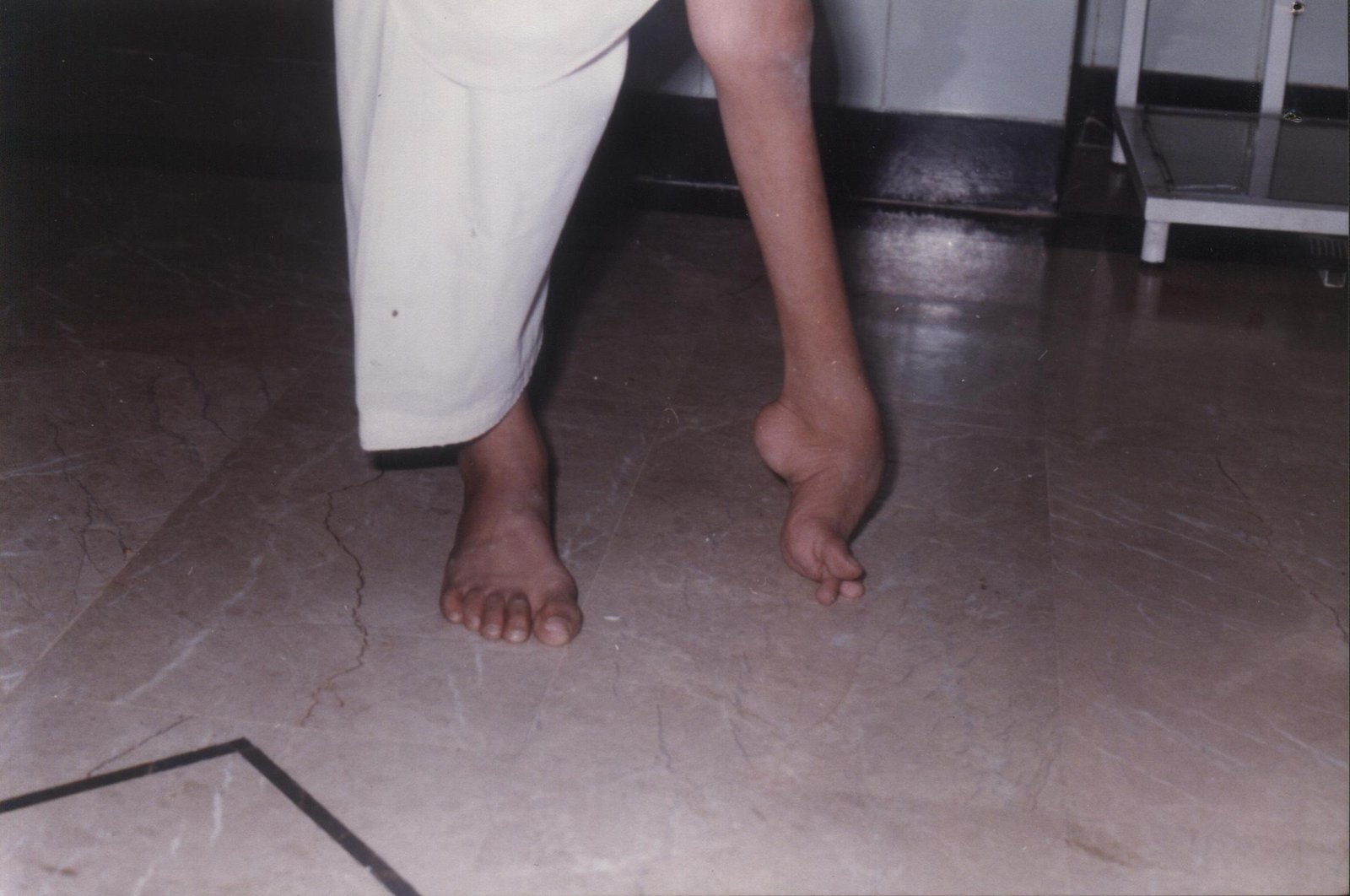
There is an extensive body of literature that describes the various surgical techniques that have been used to treat polio patients. Most polio patients who undergo surgery have either not had treatment or failed medical treatments and are often in the residual or post-polio syndrome stage (see prognosis section below). Such a discussion is too lengthy to present in this article, but the surgical topics listed below can give readers insight into the long-term complications that may result from paralytic polio and why vaccination that prevents the disease is so important:
The hip is a ball-and-socket joint. The socket is formed by the acetabulum, which is part of the large pelvis bone. The ball is the femoral head, which is the upper end of the femur (thighbone). A slippery tissue called articular cartilage covers the surface of the ball and the socket. It creates a smooth, low friction surface that helps the bones glide easily across each other.


Hanshu Ortho Care established in the year 2013 by Dr.S.Chandra Sekhara Reddy backed by latest equipment and technology. Dr.S.Chandra Sekhara Reddy promises to deliver long lasting treatment for fractures, arthritis, polio, joint replacements, illizarov. Here, we can treat every aspect of Ortho Care


