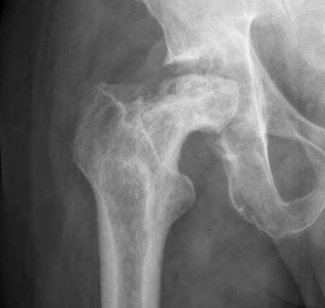
Osteonecrosis of the hip is a painful condition that occurs when the blood supply to the bone is disrupted. Because bone cells die without a blood supply, osteonecrosis can ultimately lead to destruction of the hip joint and arthritis. Osteonecrosis is also called avascular necrosis or aseptic necrosis. Although it can occur in any bone, osteonecrosis most often affects the hip. More than 20,000 people each year enter hospitals for treatment of osteonecrosis of the hip. In many cases, both hips are affected by the disease.
The hip is a ball-and-socket joint. The socket is formed by the acetabulum, which is part of the large pelvis bone. The ball is the femoral head, which is the upper end of the femur (thighbone). A slippery tissue called articular cartilage covers the surface of the ball and the socket. It creates a smooth, low friction surface that helps the bones glide easily across each other.


Hanshu Ortho Care established in the year 2013 by Dr.S.Chandra Sekhara Reddy backed by latest equipment and technology. Dr.S.Chandra Sekhara Reddy promises to deliver long lasting treatment for fractures, arthritis, polio, joint replacements, illizarov. Here, we can treat every aspect of Ortho Care


